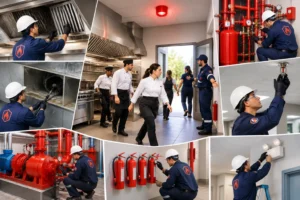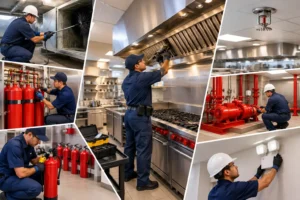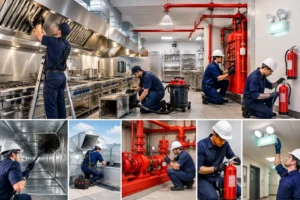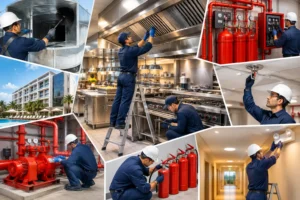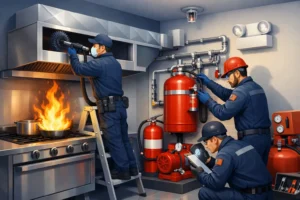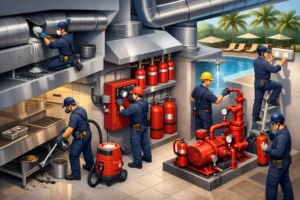
A failed hood inspection rarely starts at the hood. It usually starts weeks earlier – with grease left in the plenum, blocked nozzles, missing fusible links, or a cleaning record nobody can produce when the inspector asks. That is why a solid checklist inspección campanas comerciales matters. In a commercial kitchen, inspection is not paperwork. It is a control measure tied directly to fire risk, insurance exposure, and operating continuity.
For restaurants, hotels, resorts, commissaries, and institutional kitchens, the hood system sits at the center of both grease extraction and fire protection. If one part of that system is neglected, the risk extends beyond failed compliance. You can face flame spread through ductwork, suppression system malfunction, emergency shutdowns, and serious questions from insurers or auditors after an incident. A checklist helps, but only if it reflects real field conditions and recognized standards such as NFPA 96 and NFPA 17A.
What a checklist inspección campanas comerciales should actually cover
A useful checklist is not just a cleaning reminder. It should verify the condition of the hood, filters, duct access areas, exhaust fan, fire suppression components, alarm interfaces, and service documentation. It should also distinguish between what kitchen staff can observe daily and what a qualified technician must inspect, test, or certify.
That distinction matters. Operators often assume that a clean-looking canopy means the system is in good condition. It does not. Grease can accumulate inside duct runs, on fan blades, and behind access panels where line staff never look. In the same way, a suppression system may appear intact while carrying expired detection components, capped nozzles, low cylinder pressure, or improper appliance alignment under protected zones.
Start with the hood and visible grease conditions
The first inspection point is the visible condition of the hood canopy and exposed stainless surfaces. Grease accumulation on the outer shell is not only a sanitation issue. It often signals inadequate cleaning frequency or weak housekeeping controls around high-volume cooking lines.
Baffle filters should be present, correctly installed, and free from heavy grease obstruction. Missing or incorrectly placed filters change airflow and allow grease to travel deeper into the duct system. That creates a larger cleaning problem and increases ignition potential. Inspectors also look for damaged filters, warped frames, and improper substitutions that do not match the equipment design.
The plenum area behind the filters should be inspected for residue buildup. If grease is coating these interior surfaces, the kitchen may already be beyond an acceptable cleaning interval. This is one of the most common signs that operators are relying on appearance instead of actual system condition.
Ductwork and exhaust fan inspection points
The duct system is where many compliance failures become expensive. Grease inside ducts is not always visible from the cooking line, so access panel condition becomes critical. Panels should be accessible, secure, and serviceable for inspection and cleaning. If panels are missing, sealed over, or obstructed, proper maintenance becomes difficult and code issues follow quickly.
At the fan assembly, the inspection should verify blade cleanliness, hinge kit condition where applicable, belt and motor status, and evidence of grease leakage on the roof or surrounding curb. A fan that is pulling poorly may point to grease restriction, mechanical wear, or an imbalance affecting capture performance. Poor exhaust performance does more than create smoke in the kitchen. It can disrupt cooking operations, increase heat stress on staff, and allow grease-laden vapors to migrate where they should not.
Roof conditions also matter. Excess grease around the fan base is a housekeeping problem, but it can also indicate deficient duct cleaning or fan maintenance. In many facilities, this is one of the first visible clues that the system is not being managed under a disciplined preventive program.
Fire suppression items that belong on the same checklist
A hood inspection without suppression review is incomplete. The checklist should confirm that nozzle caps are in place, nozzles are correctly aimed, and protected appliances remain positioned under the designated discharge areas. A fryer moved a few inches outside its original footprint can reduce system effectiveness during a fire event.
Fusible links must be inspected for condition, contamination, and replacement interval. Grease-coated or outdated links can delay activation. Detection lines and manual pull stations should be accessible and free from obstruction. The releasing mechanism should show no signs of tampering, corrosion, or mechanical damage.
Cylinder pressure must be reviewed according to manufacturer requirements, and the service tag should reflect current inspection status. If the system protects a live cooking line, there should be no uncertainty about whether it is in service, overdue, or impaired. That kind of ambiguity creates risk no operator wants to explain after an incident.
Checklist inspección campanas comerciales for documentation and audit readiness
Documentation is often the difference between a manageable correction and a serious compliance problem. Your checklist should confirm that cleaning reports, suppression inspection records, deficiency notes, and corrective action history are current and available. In hotel and multi-unit environments, missing documentation can be as damaging as missing maintenance because it suggests the operator cannot prove control over a known hazard.
Photographic evidence is especially valuable when tracking grease conditions, damaged components, blocked nozzles, or repeated housekeeping failures. It creates a clear baseline for follow-up and helps maintenance, culinary leadership, and risk managers stay aligned. If a deficiency is found, the record should show who identified it, when it was corrected, and whether reinspection was completed.
This is where many generic checklists fall short. They list inspection points but do not support accountability. In a real operation, the checklist should function as part of a broader preventive maintenance system, not as a one-time form completed before an audit.
Common failures found during hood inspections
Certain problems appear repeatedly across commercial kitchens, even in facilities that consider themselves well maintained. Heavy grease in duct transitions is common because those areas are easy to miss and hard to access. Missing nozzle caps are another frequent issue, especially after cleaning crews work around the system without restoring components properly.
Improper appliance changes also create hidden exposure. When a griddle, charbroiler, or fryer is replaced, operators do not always confirm that the suppression layout still matches the cooking hazard. The same applies to fuel source changes or line reconfiguration. Equipment upgrades can improve production while quietly creating a noncompliant fire protection setup.
Another common failure is assuming the hood cleaning contractor and the suppression service provider are checking the same things. They are not. Hood and duct cleaning, suppression system inspection, alarm coordination, and corrective repairs each have separate technical requirements. They should work together, but they are not interchangeable services.
How often should inspections happen?
The answer depends on cooking volume, fuel type, menu profile, and authority having jurisdiction. A high-grease kitchen with charbroiling, wok cooking, or heavy frying will require more frequent attention than a light-duty pantry operation. The same facility may also need different review intervals for cleaning, suppression inspections, and internal operational checks.
Daily staff checks should focus on obvious conditions – filter placement, visible grease, blocked pull stations, and anything unusual around the hood line. Periodic technical inspections should go deeper into suppression components, nozzle conditions, cylinder status, detection devices, and code-related deficiencies. Scheduled hood and duct cleaning should follow the applicable standard and the actual grease load of the operation, not guesswork.
If your kitchen is preparing for an insurance review, brand audit, health inspection, or fire marshal visit, waiting until the week before is usually too late. Deficiencies found at that stage often require parts, technician scheduling, or coordinated shutdown windows.
Who should use this checklist
Owners and general managers use it to reduce liability and avoid preventable downtime. Executive chefs and kitchen managers use it to maintain a safe production environment. Facility managers and engineering teams use it to coordinate service vendors, verify corrective actions, and keep records audit-ready.
In larger hospitality environments, the checklist also helps standardize expectations across multiple kitchens. One property may have banquet production, room service, restaurant lines, and employee dining under the same roof. Without a consistent inspection framework, small failures can go unnoticed until they become operational or regulatory problems.
A disciplined checklist is most effective when paired with qualified field service. That is where a specialist provider such as Fire Patrol adds value – not by handing over a generic form, but by aligning inspection points, corrective action, and documentation with actual commercial kitchen risk.
The best time to tighten hood inspection controls is before the smell of burnt grease, the failed tag, or the emergency service call forces the issue. A checklist only works when it becomes part of the kitchen’s operating discipline.