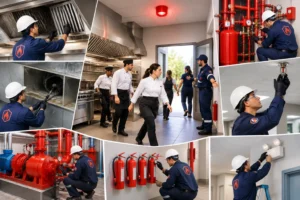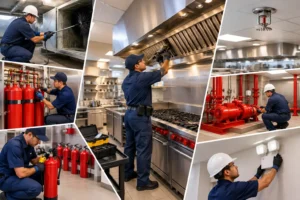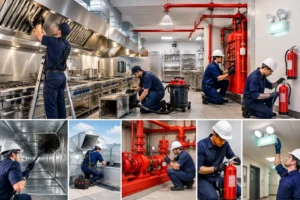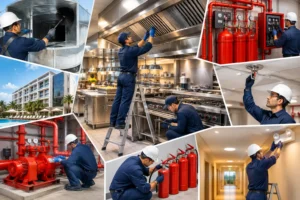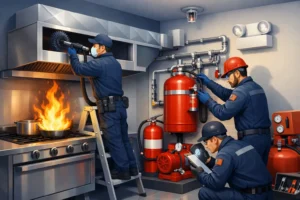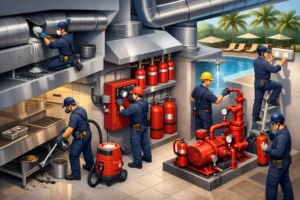
A failed kitchen inspection rarely starts with the inspection itself. It usually starts weeks earlier – grease left inside a duct run, a fan hinge never serviced, a missing access panel, a suppression nozzle capped with residue, or cleaning records that do not match actual conditions. When operators ask about mejores prácticas NFPA 96, they are usually trying to solve a larger problem: how to keep a commercial kitchen compliant, insurable, and fully operational under real production pressure.
NFPA 96 is not just a cleaning reference. In practice, it is an operating standard for managing fire risk in commercial cooking ventilation systems. For restaurants, hotels, resorts, institutional kitchens, and multi-unit food operations, the standard affects far more than housekeeping. It influences suppression performance, inspection outcomes, insurance exposure, and the ability to keep service running without interruption after an audit or incident.
Why mejores prácticas NFPA 96 matter beyond grease removal
In high-volume kitchens, grease accumulation is only the visible part of the risk. The larger issue is how contaminants, heat, airflow restrictions, and poor maintenance interact across the hood, duct, fan, and fire suppression system. A kitchen can appear acceptable from the cooking line and still fail badly above the ceiling or on the roof.
That is why the best NFPA 96 practices are procedural, not cosmetic. They require documented inspection frequency, access for cleaning, verification of fan operation, proper condition of filters, and coordination with the wet chemical suppression system. If one part is neglected, the rest of the protection strategy weakens. A clean hood with obstructed ducts is not compliant. A suppression system in service with contaminated nozzles is not reliable. A recent cleaning without photos or service records may not satisfy an auditor or insurer.
Best practices under NFPA 96 start with system-based inspection
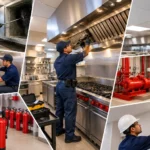
The most effective approach is to inspect the entire exhaust path as one fire risk system. That means evaluating hood interiors, grease filters, plenum areas, horizontal and vertical duct sections, access panel condition, exhaust fan assembly, rooftop containment, and visible contamination patterns. It also means checking whether the cleaning scope matches the cooking load.
This is where many operations fall short. They schedule service by habit rather than by grease production. NFPA 96 supports frequency based on cooking volume and type. Solid-fuel cooking, heavy frying, charbroiling, and high-output production create a different risk profile than a light-duty prep kitchen. A fixed interval that works for one site may be inadequate for another.
The inspection should also identify conditions that cleaning alone will not fix. Common examples include damaged duct access panels, fan vibration, missing hinge kits, broken grease cups, noncompliant discharge points, and poor rooftop housekeeping. These are not minor details. They affect both fire spread potential and the quality of future service.
Frequency should follow cooking intensity
One of the most practical mejores prácticas NFPA 96 is adjusting inspection and cleaning schedules to actual use. Kitchens that operate long hours, produce high grease vapor loads, or support banquet and peak-event demand typically require more aggressive scheduling. Seasonal properties add another variable. A resort may need a different frequency in high occupancy months than in shoulder season.
The right schedule is not the cheapest one. It is the one that prevents accumulation from reaching hazardous levels between visits. Waiting until visible grease appears on exterior surfaces usually means hidden contamination is already advanced.
Cleaning must reach the full exhaust system
NFPA 96 is routinely misunderstood as a hood-wiping standard. It is not. Proper service requires removal of grease from the entire exhaust system to bare metal where accessible, including the hood, plenum, ducts, and fan components. Partial cleaning leaves a continuous fuel path in place.
In practical terms, this means the service scope must include hard-to-reach sections, not just exposed areas. Horizontal ducts are especially important because they often accumulate grease heavily while remaining out of sight. Rooftop fan bases and discharge areas also deserve close attention. If these sections are skipped, the kitchen may look serviced while the fire load remains substantial.
There is also a quality difference between routine cleaning and defensible cleaning. Defensible cleaning includes before-and-after documentation, notation of inaccessible areas, and clear reporting of deficiencies that require corrective action. For operators facing audits or insurance review, that documentation is not optional. It is evidence.
Access panels are part of compliance
If technicians cannot physically access critical duct sections, those sections cannot be properly inspected or cleaned. That makes access panel placement and condition a compliance issue, not just a convenience issue. Missing, undersized, damaged, or improperly sealed access openings create recurring service gaps and may expose the facility during inspection.
This is one of the clearest examples of why NFPA 96 best practices depend on installation quality as much as maintenance quality. A poorly designed or altered exhaust system increases the chance of incomplete service every time the crew arrives.
Suppression readiness and NFPA 96 are closely connected
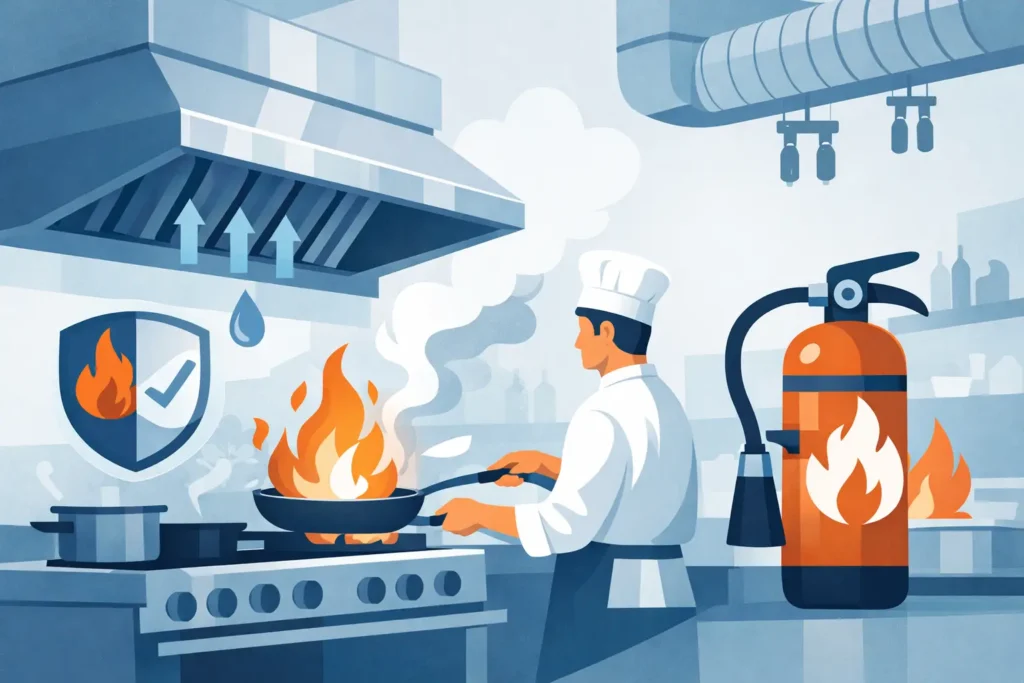
Although NFPA 96 focuses on ventilation control and fire risk management in cooking operations, it cannot be separated from the wet chemical suppression system. A contaminated exhaust system changes how fire develops and spreads. At the same time, neglected suppression components reduce the chance of a controlled extinguishment.
For that reason, a strong NFPA 96 program should be coordinated with nozzle inspection and cleaning, fusible link replacement where applicable, cylinder pressure review, manual pull station verification, and mechanical discharge pathway checks. If grease residue obstructs a nozzle cap or contaminates protected appliance areas, the issue is both a housekeeping problem and a suppression reliability problem.
Alarm monitoring and shutdown interfaces matter too. In many facilities, kitchen fire protection performance depends on proper interaction between suppression release, fuel or power shutoff, and building alarm functions under NFPA 72. A clean exhaust system does not compensate for failed system integration.
Documentation is one of the most overlooked mejores prácticas NFPA 96
In regulated foodservice environments, undocumented work is often treated the same as unfinished work. Operators need more than a sticker on the hood. They need inspection records, service dates, photo evidence, noted deficiencies, and proof that corrective actions were completed.
This matters for several reasons. First, local authorities and insurance representatives may request evidence of routine maintenance. Second, internal safety and brand standards often require verifiable service intervals. Third, facility teams managing multiple locations need a consistent record to track recurring issues, budget repairs, and demonstrate due diligence.
Good reporting should answer basic operational questions without guesswork. What was cleaned? What could not be accessed? Where was excessive buildup found? Were filters in proper condition? Did fan hinges, belts, and containment require attention? Did the observed condition support the current service interval, or suggest a shorter cycle?
For multi-unit operators, standardized reporting is especially valuable. It allows comparison across sites and helps identify kitchens that need engineering corrections rather than repeated emergency cleaning.
The operational side of NFPA 96 compliance
The best compliance programs work because they fit the kitchen, not because they look good on paper. Service timing should minimize disruption to production. Cleaning crews should understand hospitality operating windows. Corrective recommendations should be prioritized by fire risk and operational consequence.
There are trade-offs. Overnight service may reduce kitchen downtime but can complicate access and supervision. Extending cleaning intervals may reduce immediate cost but increase grease burden, labor intensity, and shutdown risk later. Deferring fan repairs may seem manageable until vibration, leakage, or poor exhaust performance affects the line.
This is where a structured preventive plan becomes more valuable than one-off calls. A compliance-driven provider can align hood and duct cleaning, suppression inspection, corrective service, and audit-ready reporting into one coordinated schedule. That approach reduces blind spots and helps prevent the familiar pattern of passing one visit while failing the next.
For many commercial kitchens, the most effective standard is simple: if a condition would concern an inspector, insurer, or fire investigator after an event, it should be addressed before it becomes normal. NFPA 96 is strongest when it is treated as an operating discipline, not a reaction to visible grease.
A safer kitchen is rarely the result of one major fix. It is usually built through repeated technical decisions made on time – proper cleaning scope, verified access, suppression readiness, documented findings, and corrective action before risk compounds. That is the difference between a kitchen that merely stays open and one that stays prepared.