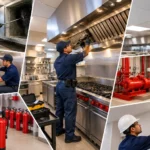

A failed inspection rarely starts with paperwork. It usually starts above the cook line, where grease has been collecting for months inside the hood plenum and ductwork. A restaurant hood duct cleaning schedule is not just a maintenance item. It is a fire risk control, a compliance requirement under NFPA 96, and a practical step to protect production, staff safety, and insurance standing.
For restaurant operators, hotel engineers, executive chefs, and facility managers, the question is not whether cleaning is necessary. The real question is how often your system should be cleaned based on actual cooking volume, grease production, and operating conditions. A fixed calendar without risk assessment often leads to one of two problems: over-servicing low-grease kitchens or, more dangerously, under-servicing high-volume operations that are building up combustible residue faster than expected.
What sets a restaurant hood duct cleaning schedule
The correct schedule depends on the type of cooking, the hours of operation, and the amount of grease-laden vapor moving through the exhaust system. NFPA 96 provides the baseline most operators work from, but field conditions matter. A steakhouse running charbroilers and fryers all day does not load grease the same way as a school kitchen with limited meal periods.
In practice, the schedule should be built around grease production, not assumptions. Systems serving solid fuel cooking, wok lines, high-output frying, and heavy broiling typically require more frequent service because residue accumulates faster and travels deeper into the duct. Kitchens with lower grease output may remain compliant on a longer interval, but that only holds if inspections confirm the condition of the system.
This is where many facilities get exposed. They rely on a generic service frequency, but the kitchen has changed. Menu updates, extended hours, staffing pressures, or seasonal occupancy can all increase grease loading without anyone revising the cleaning plan.
Standard cleaning frequencies under NFPA 96
A restaurant hood duct cleaning schedule usually starts with the recognized service intervals in NFPA 96. These frequencies are common reference points for commercial kitchen exhaust systems:
- Monthly for systems serving solid fuel cooking operations
- Quarterly for high-volume cooking operations such as 24-hour kitchens, charbroiling, or wok cooking
- Semiannually for moderate-volume operations
- Annually for low-volume kitchens such as churches, day camps, seasonal businesses, or limited-use facilities
These are not automatic approvals to wait until the calendar says so. They are starting points. If inspection shows grease accumulation before the next due date, the cleaning interval should be shortened. If your authority having jurisdiction, insurer, or corporate risk program requires a tighter cycle, that requirement controls your schedule as well.
Why the kitchen type changes everything
Two restaurants can have the same hood size and still need very different service intervals. The difference is what happens underneath the hood.
Frying creates airborne grease that moves quickly through the exhaust path. Charbroiling adds smoke, carbon, and sticky residue that adheres to interior surfaces. Wok cooking often combines high heat and high grease output, which can overwhelm a system if cleaning is delayed. Solid fuel cooking creates additional deposits and raises the fire profile significantly.
Then there is operating time. A hotel kitchen serving breakfast, banquets, room service, and late-night dining may effectively run all day, even if each individual station has downtime. Multi-concept foodservice operations also create a hidden problem: grease loading becomes distributed across shifts, and buildup can go unnoticed until an inspection or system malfunction forces attention.
That is why a restaurant hood duct cleaning schedule should be reviewed whenever the kitchen expands production, adds cooking equipment, extends hours, or changes menu mix. A schedule that was compliant last year may already be behind current risk conditions.
Cleaning frequency versus inspection frequency
Cleaning and inspection are related, but they are not the same service. This distinction matters.
Cleaning removes combustible grease deposits from the hood, filters, ductwork, and exhaust fan system. Inspection verifies the condition of those components, identifies access issues, confirms whether cleaning was complete, and checks for defects that could affect fire safety or system performance.
A strong compliance program does not wait for visible grease to trigger action. It uses routine inspections to determine whether the current restaurant hood duct cleaning schedule still matches the kitchen’s output. In higher-risk facilities, this is the difference between preventive control and reactive cleanup.
It also supports fire suppression reliability. Wet chemical systems are designed to protect cooking appliances and hood areas, but heavy grease accumulation in ducts increases the chance that a fire will spread beyond the appliance line. If the exhaust system is contaminated, the overall fire scenario becomes more severe.
Signs your current schedule is too loose
If your provider only appears when the next invoice is due, your schedule may not reflect actual conditions. Several warning signs usually show up before a failed inspection or fire event.
Visible grease around hood seams, access panels, and fan housings is one indicator. Dripping residue, persistent smoke capture problems, and strong burnt-grease odor are others. Staff may also notice filters clogging faster than usual or greasy deposits appearing on nearby surfaces despite routine kitchen cleaning.
From a compliance perspective, incomplete documentation is another red flag. If you cannot produce service records, cleaning dates, deficiency notes, and before-and-after evidence, your facility may have trouble during audits, insurance reviews, or post-incident investigations. The issue is not only whether the system was cleaned. It is whether you can prove that it was cleaned properly and at the right interval.
Building a defensible schedule for operations and audits
The best schedule is one you can justify with technical reasoning and documented results. That means combining code-based frequency with site-specific assessment.
Start with the cooking profile. Identify heavy grease appliances, fuel type, daily operating hours, and peak production periods. Then review the exhaust system layout, including long duct runs, multiple offsets, fan access, and any areas where cleaning may be difficult. These conditions affect how residue accumulates and whether service can be completed thoroughly.
Next, evaluate prior reports. If past cleanings consistently show heavy accumulation before the scheduled date, the interval is too long. If reports show manageable conditions, complete access, and low residue across multiple service cycles, the current interval may be appropriate. This should be based on inspection evidence, not guesswork.
For larger facilities, a single building-wide schedule may not be enough. Different kitchen zones may require different frequencies. A banquet kitchen, employee cafeteria, pool bar line, and signature restaurant can all operate under different grease loads even within the same property. Splitting the schedule by risk area often improves compliance and cost control at the same time.
Documentation is part of the schedule
A cleaning date on a sticker is not a complete compliance record. Operators should expect detailed reporting that shows what was serviced, what was observed, and what corrective actions are still pending.
At minimum, documentation should identify the system serviced, the date, technician findings, and any inaccessible or deficient areas. Photographic evidence is especially valuable for operators managing multiple sites or preparing for inspections. It creates accountability and makes it easier to verify whether service quality matches the invoice.
This matters when insurers, fire marshals, brand auditors, or corporate safety teams ask for records. A documented maintenance history supports your position that the facility is managing known fire risks in a disciplined way. That is a very different posture from trying to reconstruct service history after a claim.
When to adjust the restaurant hood duct cleaning schedule
Schedules should be reviewed after any meaningful operational change. New fryers, added shifts, menu changes, renovations, staffing shortages in stewarding, and higher occupancy can all justify a tighter interval. The same applies after grease-related deficiencies, smoke complaints, or repeated filter loading issues.
There are cases where operators try to save money by stretching service dates. That usually creates a more expensive problem later. Delayed cleaning increases fire exposure, makes deep cleaning more difficult, and can contribute to fan strain, reduced airflow, and unsanitary conditions. A shorter interval may look like a higher maintenance cost on paper, but it often prevents shutdowns, corrective work, and compliance failures.
For facilities that need a structured program, Fire Patrol supports commercial kitchens with standards-based service planning, documented reporting, and maintenance coordination aligned with NFPA 96 and suppression system readiness.
The right schedule is not the cheapest one or the most aggressive one. It is the one that matches your cooking reality, stands up during inspection, and keeps grease from becoming the reason your kitchen stops operating.