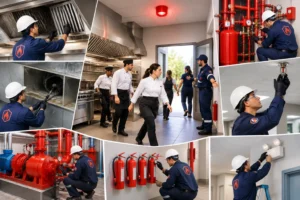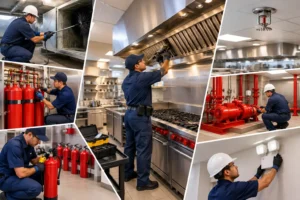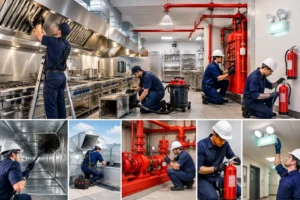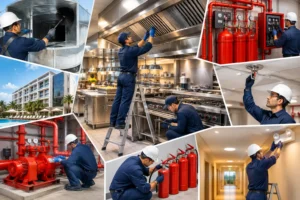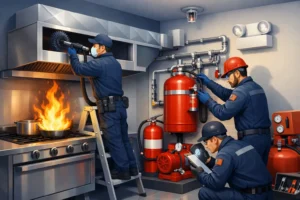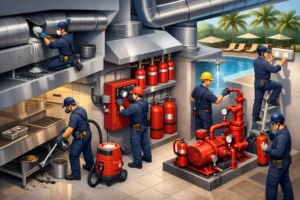
If your kitchen suppression system passes a quick visual check, that does not mean the fusible links are still acceptable. For operators asking how often replace fusible links, the short answer is every six months in most commercial kitchen fire suppression systems, or sooner if they are grease-loaded, painted, corroded, damaged, or exposed to conditions that can affect activation.
That timeline matters because fusible links are not passive hardware. They are heat-sensitive releasing devices designed to separate at a specific temperature so the suppression system can discharge when a fire reaches the activation point. If the links are contaminated, altered, or left in service too long, the system may not operate as intended during a grease fire. In a commercial kitchen, that is not a minor maintenance issue. It is a life safety, property protection, and compliance issue.
How often replace fusible links in a commercial kitchen?
For most pre-engineered wet chemical fire suppression systems protecting cooking equipment, fusible links are replaced every six months as part of routine system maintenance. This interval aligns with the service expectations commonly applied under NFPA 17A, NFPA 96, manufacturer requirements, and the inspection practices followed by qualified kitchen suppression contractors.
In practical terms, six months is the standard schedule that owners, chefs, facility managers, and maintenance teams should plan around. If your operation has high heat, heavy grease production, frequent line cooking, or poor canopy hygiene, the links may need attention even sooner. The replacement interval is not only about elapsed time. It is also about condition.
That distinction is where many facilities fall behind. A link can look intact from the floor and still be unsuitable for continued service. Grease residue, chemical exposure from aggressive cleaning, corrosion in coastal environments, and unauthorized repainting can all interfere with heat response.
Why six-month replacement is the standard
Fusible links are engineered to react predictably at a rated temperature. That predictable response depends on the metal alloy and the link assembly remaining clean and undisturbed. Commercial kitchens are hard environments for precision components. Heat cycling, vapor, airborne grease, detergent residue, and steam all work against reliability.
A six-month replacement cycle reduces the chance that environmental exposure will degrade performance. It also gives the service technician an opportunity to inspect the cable path, check manual pull stations, verify nozzle caps and blow-off caps, review cylinder condition, and confirm the system remains aligned with the cooking line below.
For operators, this is one reason the question should not be treated as a stand-alone parts issue. Fusible link replacement belongs inside a documented preventive maintenance program. If it is handled casually, other critical deficiencies are often missed.
When fusible links should be replaced sooner
Even if the six-month mark has not arrived, replacement may be necessary when the links show signs of contamination or damage. A qualified technician will typically replace links immediately if they are grease-coated, corroded, bent, painted, missing identification, or installed incorrectly.
There are also operational triggers. If the suppression system has discharged, if cooking equipment has been rearranged, if hood and duct cleaning exposed a mounting problem, or if a previous repair disturbed the release line, the links should be evaluated before the system is returned to service. In some cases, the issue is not the link itself but the surrounding mechanism. A dirty cable conduit or obstructed release path can delay actuation even with a new link installed.
This is why visual housekeeping and technical inspection are different tasks. Your cleaning crew can help reduce contamination, but they should not determine whether a fusible link remains compliant.
What code and manufacturer requirements mean in practice
Owners often ask whether the six-month rule is a hard code requirement or a service best practice. In the field, the answer is both technical and practical. NFPA standards establish the inspection and maintenance framework for commercial kitchen suppression systems, while the system manufacturer provides the device-specific requirements for listed components, including replacement intervals and approved parts.
That means compliance is not achieved by installing any fusible link that seems to fit. The replacement part must match the system listing, temperature rating, and assembly requirements. Using the wrong link, mixing parts across system brands, or installing non-listed substitutes can create a serious compliance failure. It may also affect insurance response after a fire event.
For kitchens operating under brand standards, franchise rules, hotel engineering protocols, or insurer inspection programs, documentation matters as much as the replacement itself. A compliant service visit should show what was replaced, where it was installed, what deficiencies were observed, and whether the system was left in normal operating condition.
The risk of waiting too long
Delayed fusible link replacement creates a false sense of protection. The system hangs overhead, the cylinders are in place, and the pull station looks normal, so staff assume the hazard is covered. But if a link fails to separate at the intended temperature, the sequence of discharge can be delayed or prevented.
In a grease fire, seconds matter. Delayed suppression can allow flame spread into the plenum, duct, or adjacent combustible areas. That increases the risk of equipment loss, business interruption, smoke damage, and injury. It also creates exposure with the fire marshal, your insurer, and any post-incident investigation.
For hospitality operations, the business impact is often underestimated. A failed or impaired suppression system can lead to kitchen shutdown, canceled events, lost room revenue in hotel environments, and reputational damage that lasts well beyond the repair period.
How often replace fusible links if the kitchen is very busy?
High-volume kitchens should still start with the six-month benchmark, but they should not assume that benchmark is always enough. A resort kitchen running long service hours, a quick-service operation with constant fryer use, or a catering facility with seasonal production surges may expose links to more heat and grease than a lower-volume site.
In those environments, inspection frequency becomes as important as replacement frequency. If your kitchen experiences rapid grease accumulation, chronic hood contamination, or repeated equipment shifts, the system should be reviewed more often by a qualified contractor. The right schedule depends on actual operating conditions, not just the calendar.
This is where a compliance-driven service partner adds value. The goal is not to replace parts unnecessarily. It is to identify when conditions justify earlier intervention and document that decision clearly.
Common mistakes that lead to failed inspections
One of the most common problems is assuming hood cleaning replaces suppression maintenance. It does not. Hood and duct cleaning addresses grease removal from the exhaust system, while suppression service addresses the readiness of the fire protection equipment. Both are necessary, but they are not interchangeable.
Another frequent issue is unauthorized handling. Kitchen staff or general maintenance personnel sometimes remove links during cleaning, reinstall them incorrectly, or leave them contaminated with chemicals or paint. Even small alterations can affect listed performance.
There is also the paperwork gap. A kitchen may have had service performed, but without clear records, the operator cannot prove compliance during an audit, insurance review, or authority having jurisdiction inspection. In regulated foodservice environments, undocumented maintenance is often treated as incomplete maintenance.
What a proper fusible link service visit should include
A proper service visit does more than swap out links. The technician should verify that the replacement links are the correct listed components for the installed system, inspect the release mechanism, confirm cable condition and routing, check nozzle placement and caps, and identify any visible impairments affecting discharge performance.
The visit should also result in documented reporting. For commercial operators, especially hotels, multi-unit restaurants, and audited facilities, service records should support inspection readiness. That includes dates, findings, corrective actions, and any recommendations for deficiencies that require follow-up.
Fire Patrol approaches fusible link replacement as part of a broader compliance and risk-control process because isolated maintenance rarely protects the operation as effectively as a coordinated inspection program.
The right question is not only how often
Asking how often replace fusible links is the correct starting point, but it should lead to a better operational question: is the entire suppression system being maintained in a way that will stand up to a real fire, an inspector, and an insurer?
If the answer is uncertain, the six-month interval should be treated as the minimum planning standard, not the finish line. In commercial kitchens, reliable protection depends on listed parts, qualified service, documented inspections, and a maintenance schedule that matches real cooking conditions. The safest approach is simple – replace fusible links on time, inspect the full system properly, and never wait for a fire to reveal that maintenance was overdue.