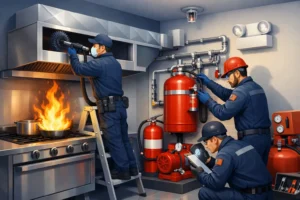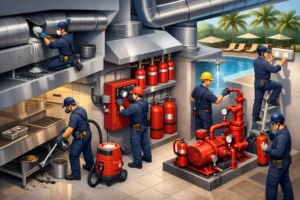
A suppression inspection rarely fails because of one dramatic defect. More often, it fails because of preventable issues that built up during daily operations – grease on nozzles, missing caps, outdated fusible links, blocked access to the pull station, or documentation no one can find when the inspector asks for it. If you need to prepare restaurant for suppression inspection, the right approach is not last-minute cleanup. It is operational readiness based on code, maintenance history, and visible system condition.
For restaurant operators, hotel engineers, and kitchen managers, this inspection is not just a fire protection formality. A failed visit can trigger corrective actions, reinspection costs, insurance concerns, and in some cases pressure from the AHJ or ownership to limit kitchen operations until deficiencies are addressed. That is why preparation should focus on risk control, not appearance alone.
What the inspector is actually looking for
A commercial kitchen suppression inspection typically reviews whether the wet chemical system is installed correctly, maintained properly, and ready to operate as designed. That includes the releasing mechanism, detection line, fusible links, agent tanks, nozzles, pull station, gas or electric shutoff interface, alarm connection where required, and overall condition of the protected hazard area.
The inspection also extends beyond the cylinder cabinet. If the hood and duct interior show excessive grease buildup, if appliances have been moved without nozzle realignment, or if cooking equipment under the hood no longer matches the original design, the suppression system may no longer provide code-compliant coverage. Under NFPA 17A and NFPA 96, system performance depends on the protected appliances, exhaust system condition, and proper coordination between fire suppression and cooking operations.
That is the part many facilities miss. They treat the system as isolated equipment when it is really part of a larger life-safety assembly.
How to prepare restaurant for suppression inspection before the visit
Start with the kitchen layout under the hood. Look at every appliance currently in use and compare it to the suppression coverage configuration. If fryers, charbroilers, ranges, or griddles have been added, removed, or shifted even a few inches, nozzle alignment and hazard protection may be compromised. A system that was compliant last year can become noncompliant after an equipment move during a renovation or replacement cycle.
Next, check access. Inspectors need clear access to the suppression tank, manual pull station, control head, and protected appliances. If shelves, boxes, smallwares, or prep carts are blocking any of those areas, correct that before the inspection date. The same applies to electrical panels and gas shutoff access near the cooking line.
Then evaluate housekeeping where it matters most. This is not about making stainless steel shine for presentation. It is about removing grease accumulation that can interfere with nozzles, fusible links, detection line components, and overall system response. Grease on suppression nozzles is a common deficiency because it can obstruct agent discharge or affect nozzle caps. Hood and duct cleanliness also matters because excessive grease can raise questions about fire load and maintenance discipline.
Documentation should be assembled before anyone arrives. Inspection tags, service records, prior deficiency reports, corrective action invoices, hood cleaning reports, and any alarm interface documentation should be in one place. If your restaurant is part of a hotel, resort, or multi-unit group, make sure on-site management can produce records without waiting for corporate approval or an off-site administrator.
The most common issues that delay approval
When operators prepare restaurant for suppression inspection, they often focus on the cylinder and overlook the field conditions that inspectors see first. One of the most common problems is appliance mismatch. If the suppression design was approved for one cooking lineup and the current lineup is different, the system may need redesign, nozzle changes, or additional protection.
Another frequent issue is damaged or contaminated nozzles. Missing blow-off caps, grease-packed tips, or bent nozzle positions are not minor cosmetic issues. They directly affect discharge pattern and agent application. The same goes for worn detection cable components and fusible links that were painted, coated with grease, or left in service past replacement intervals.
Manual pull stations also create avoidable failures. They may be obstructed, mounted improperly, unlabeled, or inaccessible during active kitchen use. If staff cannot reach the pull station immediately, the system does not meet the practical intent of emergency operation.
Utilities are another point of failure. The suppression system must shut down fuel and power to protected cooking appliances when it activates, except where code and equipment design allow otherwise. Mechanical or electrical interlocks that are disconnected, bypassed, or never tested during service can turn an inspection into a correction notice very quickly.
Prepare the kitchen staff, not just the equipment
An inspection can expose operational weakness as much as technical weakness. If the chef, kitchen manager, or maintenance lead does not know how the system works, where the pull station is, or what happens when it discharges, that will be obvious. Staff should know basic emergency actions, including how to report a discharge, how to stop cooking operations safely, and why no one should tamper with nozzles or links during cleaning.
This matters because many deficiencies begin with normal kitchen activity. Staff may hang utensils from piping, cover components during degreasing, move appliances for cleaning and fail to return them to the protected position, or tape over a switch they think is causing nuisance shutdowns. Those habits create inspection risk and real fire risk.
A short pre-inspection briefing helps. Walk the line, identify the protected appliances, confirm pull station access, and remind the team not to store items under the hood or around system components. For high-volume operations, assign one manager or engineer to accompany the inspector so questions can be answered immediately.
Why hood cleaning and suppression readiness go together
Suppression compliance and exhaust hygiene should never be treated as separate programs. Under NFPA 96, the exhaust system must be inspected and cleaned at intervals based on cooking volume and grease production. If hood plenum areas, filters, or duct sections show heavy accumulation, that tells an inspector the operation may not be maintaining critical fire protection conditions.
There is also a practical issue. Grease accumulation can hide damaged nozzles, contaminate fusible links, and make visual inspection harder. In busy kitchens, operators sometimes postpone hood cleaning to avoid disruption, but that delay often creates bigger problems during inspections and can increase the severity of a kitchen fire if one occurs.
The better approach is coordinated scheduling. Hood and duct cleaning, suppression service, nozzle inspection, fusible link replacement, and documented corrective actions should be planned as part of one compliance cycle. That is how specialized providers such as Fire Patrol support inspection readiness without turning maintenance into a reactive scramble.
What to do if your last inspection found deficiencies
Do not assume old deficiencies will be overlooked because the system still appears functional. Inspectors often compare current conditions with prior records, tags, and service notes. If a previous report identified missing nozzle caps, overdue fusible links, low cylinder pressure, impaired gas shutoff, or alarm integration issues, those items should be closed out with documentation.
If you are unsure whether repairs were completed correctly, request a technical review before the official inspection. That is especially important after renovations, equipment replacement, ownership transitions, or long periods of deferred maintenance. In those situations, hidden compliance gaps are common.
It also helps to distinguish between quick fixes and system-level corrections. Replacing a cap or cleaning a nozzle is straightforward. Reconfiguring appliance coverage, restoring electrical supervision, or correcting an improper manual release installation may require licensed technical service, parts sourcing, and coordinated downtime. Waiting until the inspector identifies those issues can put your operation on a tighter timeline than you can realistically manage.
Inspection readiness is a maintenance discipline
The operators who pass consistently are usually not the ones who clean up best the night before. They are the ones who maintain the system on schedule, keep records current, verify that cooking equipment stays within the protected layout, and correct deficiencies before they become inspection findings.
If you need to prepare restaurant for suppression inspection, think beyond the appointment itself. Treat the inspection as a checkpoint in an ongoing fire protection program that includes suppression service, hood and duct cleaning, utility shutoff verification, staff awareness, and documented compliance. That approach protects more than a certificate on the wall. It protects uptime, insurability, and the people working the line when conditions turn critical.
The strongest preparation is simple: make the kitchen inspection-ready every day, not only when an inspector is on the schedule.