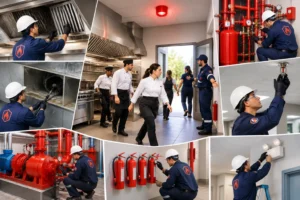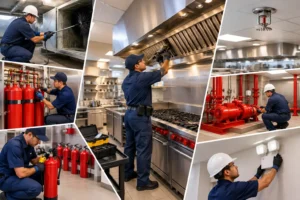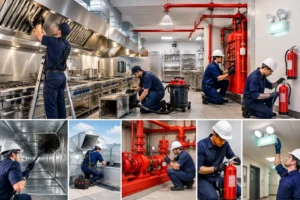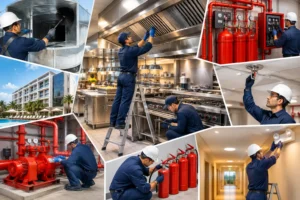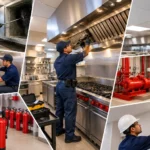

A failed kitchen inspection rarely starts with one major problem. It usually starts with small gaps that were missed, undocumented, or left unresolved – grease buildup above the line, a blocked nozzle, an overdue fusible link replacement, a pressure issue on a suppression cylinder, or a service note that never made it to the right manager. Digital inspection reporting for restaurants addresses that weak point directly by turning inspections into traceable records, corrective actions, and audit-ready evidence.
For restaurant operators, hotel engineering teams, and foodservice managers, the real value is not simply replacing paper with a tablet. It is control. When inspections are documented digitally, the condition of fire suppression systems, hood and duct assemblies, alarm interfaces, refrigeration assets, sanitation checkpoints, and HACCP-related risks becomes easier to verify, review, and act on before a failed audit or equipment incident interrupts service.
Why digital inspection reporting for restaurants matters
Commercial kitchens operate under constant pressure. Equipment runs hot, grease accumulates fast, staff turnover affects daily discipline, and multiple agencies or auditors may request documentation with little notice. In that environment, paper reporting creates avoidable risk. Handwritten notes can be incomplete, photos may be stored separately, service history may be difficult to retrieve, and open deficiencies can remain unresolved because no structured follow-up exists.
Digital inspection reporting for restaurants creates a more reliable chain of documentation. A technician can record conditions at the point of service, attach photos, note deficiencies, confirm code-related observations, and assign corrective actions in a format that can be stored and retrieved quickly. That matters when an insurance carrier requests maintenance records, when a health or fire inspection raises questions, or when a corporate safety team needs proof that issues were identified and addressed on schedule.
This is especially important in kitchens protected by wet chemical fire suppression systems governed by NFPA 17A and supported by cleaning and maintenance practices tied to NFPA 96. Compliance is not only about having equipment installed. It depends on inspection frequency, documented condition, proper component function, and evidence that deficiencies were corrected within a reasonable timeframe.
What a digital inspection report should actually capture
A digital report is only useful if it reflects field reality. In a commercial kitchen, that means more than a checkbox confirming that a system was visited. The report should document specific components, visible conditions, testing results where applicable, and any findings that affect readiness or code compliance.
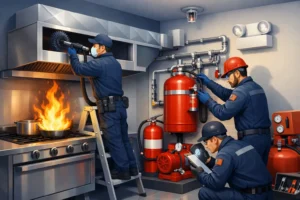
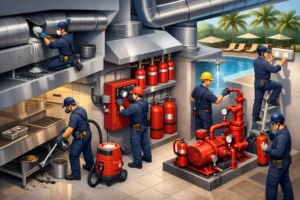
For fire suppression systems, a strong digital record usually includes cylinder condition and pressure status, nozzle placement and cleanliness, cap presence, fusible link condition, pull station accessibility, control head status, mechanical or electrical shutdown verification, alarm interface observations, and appliance coverage alignment. If the protected appliance lineup changed since the last visit, that should be recorded clearly because system design adequacy can be affected.
For hood and duct-related reporting, the inspection should identify grease accumulation levels, access panel condition, fan performance concerns, and areas where cleaning frequency may no longer match production volume. In high-output kitchens, static schedules often fall behind actual grease load. Digital reporting helps expose that mismatch sooner.
Photographic evidence is one of the biggest advantages. A written note stating that a nozzle was obstructed is useful. A time-stamped image showing the obstruction, followed by a second image after correction, is far stronger for internal review, audit defense, and accountability.
The operational advantage is speed, not just storage
Many operators hear the word digital and think about filing efficiency. That is only part of the case. The stronger advantage is faster response.
When reports are delivered quickly and organized properly, maintenance leaders do not need to wait for paperwork to understand what happened on site. If a suppression system has an impaired component, if a fusible link set is due, or if a discharge path is compromised by grease or equipment changes, that information can move to the responsible decision-maker without delay. Faster communication shortens the time between identification and correction.
That matters because kitchen risk does not stay still. A deficiency found on Monday can become a major issue by the weekend if the line stays in heavy use. The same principle applies to sanitation and refrigeration concerns. Digital reporting supports operational continuity because it reduces lag between field observation and corrective action.
There is also a management advantage for multi-unit operators. Standardized digital forms make it easier to compare recurring deficiencies across locations. If similar failures appear at several properties – such as overdue cleaning, inaccessible pull stations, or inconsistent shutdown verification – leadership can address a system-wide discipline problem instead of treating each event as isolated.
Audit readiness depends on documentation quality
Restaurants do not face just one type of inspection. Fire officials, health departments, insurance representatives, brand auditors, risk managers, and corporate compliance teams may all review some part of the operation. Their priorities differ, but they all look for evidence.
That is where digital inspection reporting becomes a practical compliance tool. It creates a record that inspections occurred, what conditions were found, what standards or service criteria applied, and what actions followed. If a question arises about whether a nozzle was cleaned, whether a cylinder pressure issue was flagged, or whether a discharge test was documented, the answer should not depend on memory.
Still, digital reporting is not automatically better if the process behind it is weak. Poor templates can produce vague reports. Generic checklists can miss kitchen-specific hazards. A system that stores records but does not force deficiency tracking may create the appearance of control without real follow-through. The reporting platform matters less than the inspection discipline behind it.
For that reason, restaurants should evaluate not only whether a service provider uses digital tools, but how those tools support code-oriented field inspection, photographic documentation, corrective action tracking, and historical record retention.
Where paper still causes problems
Paper reports are familiar, and familiarity can create false confidence. A handwritten inspection form may seem sufficient until someone needs the record six months later during a claim review, an authority having jurisdiction inquiry, or an internal audit.
The common failures are predictable. Notes may be hard to read. Photos may never be attached. Reports may sit in an office instead of reaching regional leadership. Previous deficiencies may not appear on the next visit, so repeat issues are missed. If a property changes managers, records often become fragmented.
Paper also makes trend analysis difficult. When inspection history lives in binders, it is harder to identify repeated pressure deviations, recurring grease issues, or service delays tied to certain assets or locations. Digital reporting does not solve every management problem, but it gives operators a clearer view of what is happening over time.
Choosing a reporting approach that fits restaurant risk
Not every restaurant needs the same reporting structure. A single-location independent operation may need straightforward inspection records, deficiency photos, and scheduled reminders. A resort, hotel, or multi-unit group usually needs more – asset history, standardized forms across properties, escalation of critical deficiencies, and records that can be shared with operations, engineering, risk, and ownership.
The right approach depends on the complexity of the kitchen, the type of suppression equipment installed, inspection frequency, and how many people are responsible for follow-up. It also depends on whether the provider understands kitchen-specific life safety systems or is simply using a generic inspection app.
In foodservice environments, generic reporting often misses the details that matter most. Kitchen line changes, nozzle obstructions, grease conditions, alarm interfaces, manual pull accessibility, and appliance-specific coverage concerns require specialized inspection knowledge. A digital form is useful only if it reflects those realities.
That is why compliance-driven contractors tend to produce better reporting outcomes. Their reports are structured around operational risk, applicable standards, service intervals, and clear evidence. Fire Patrol, for example, builds inspection reporting around kitchen system condition, corrective action visibility, and audit-ready documentation rather than simple service completion.
What operators should expect after each inspection
A proper digital report should leave little ambiguity. Management should be able to see what was inspected, what was found, whether the system was in acceptable condition at the time of service, and what actions are still pending. Critical deficiencies should stand out immediately, not be buried in general comments.
It should also support scheduling discipline. If a component replacement, cleaning interval adjustment, alarm correction, or follow-up visit is required, the report should create a path to completion. Documentation without action is only recordkeeping. Documentation tied to follow-through is risk control.
The kitchens that stay inspection-ready are usually not the ones with the fewest problems. They are the ones that identify problems early, document them clearly, and close them before they affect compliance, safety, or uptime.
Digital inspection reporting for restaurants is most valuable when it becomes part of that operating discipline. Not as software for its own sake, but as a way to keep fire protection, sanitation, and compliance visible enough to manage before small failures become expensive ones.